- Products
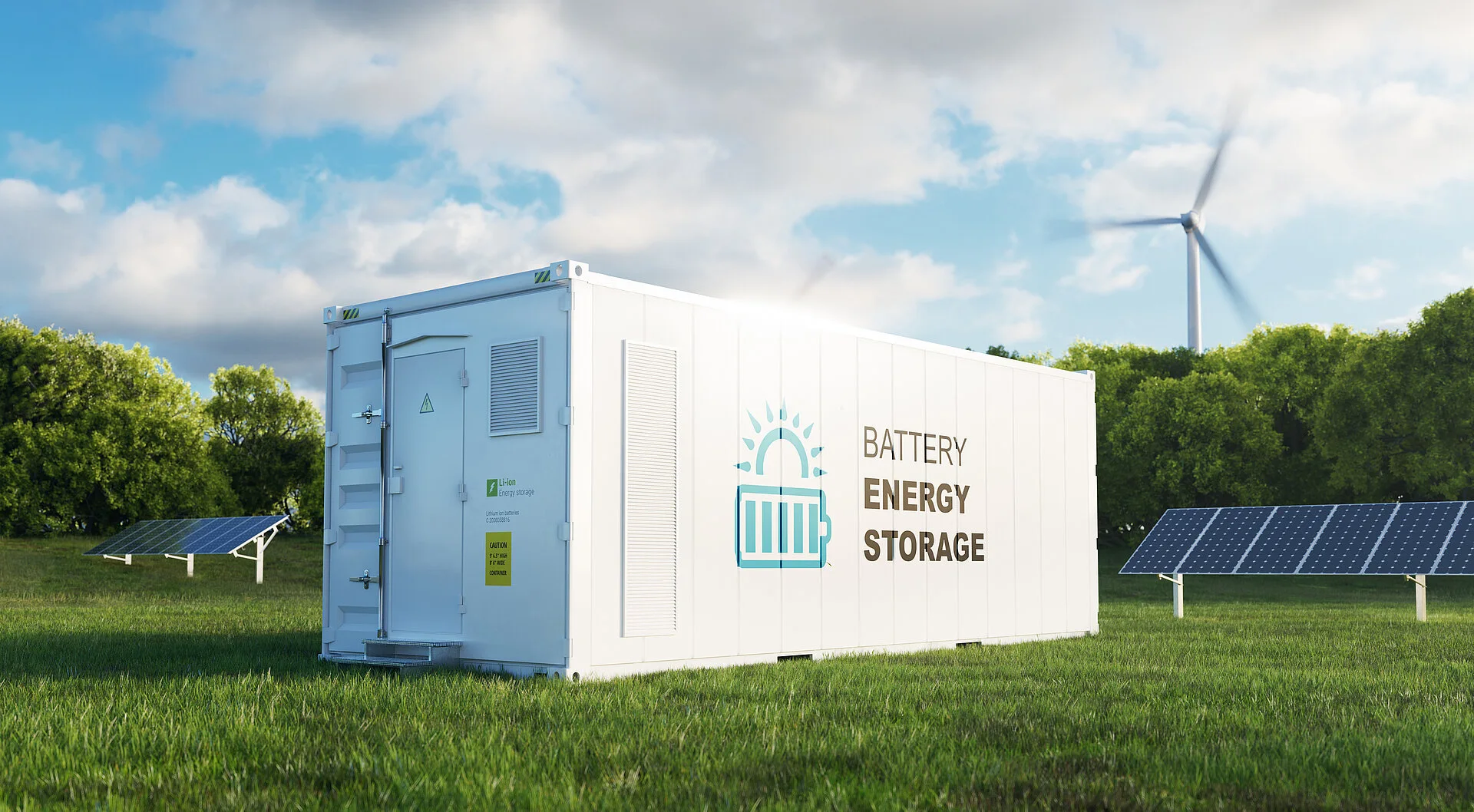
Highjoule provides a wide variety of energy storage products, such as industrial and commercial BESS, home energy storage systems, photovoltaic modules, and other solutions. As a top Chinese manufacturer, Highjoule delivers reliable, scalable, and affordable options for sustainable power management. Benefit from innovative and customizable solutions backed by global support.
7KW High-Efficiency Single-Phase Grid-Tied Photovoltaic Inverter3KW-4.5KW High-Efficiency Single-Phase Grid-Tied Photovoltaic Inverter4KW Single-phase off-grid inverter14.5KW Single-phase off-grid inverter6.2KW Single-phase off-grid inverter9000W+9000W Single-phase off-grid inverter7.5KW-9KW American standard split-phase off-grid inverter112KW Three-Phase Grid-Tied Photovoltaic (PV) Inverter720KW Three-Phase Grid-Tied Photovoltaic (PV) Inverter6.4KW-19.2KW Three-Phase Grid-Tied Photovoltaic (PV) Inverter32KW Three-Phase Grid-Tied Photovoltaic (PV) Inverter96KW-112KW Three-Phase Grid-Tied Photovoltaic (PV) Inverter
View More Mobile solar containerFolding Photovoltaic ContainerMobile Photovoltaic Energy Storage Integrated ContainerSite Energy Photovoltaic ContainerC&I Energy Storage Systems7.01MWh Energy Storage Container System6.9MWh Energy Storage Container System6.25MWh Energy Storage Container System5MWh Energy Storage Container System418KWh Outdoor Cabinet-Type Energy Storage SystemPhotovoltaic Module Base Station Energy Storagesite battery cabinetOutdoor Photovoltaic Energy CabinetIndoor Photovoltaic Energy CabinetPhotovoltaic Microstation Energy CabinetHome Energy Storage Systems5.12kWh/10.24kWh Standing Integrated Unit5.12kWh/10.24kWh/14.3kWh Standing Integrated Unit20.48kWh/25.6kWh Three-Phase Stacked All-in-One Unit10.6kWh/15.9kWh Three-Phase Stacked All-in-One Unit14.75kWh Single-Phase Stacked All-in-One SystemPhotovoltaic Storage Inverter7KW High-Efficiency Single-Phase Grid-Tied Photovoltaic Inverter3KW-4.5KW High-Efficiency Single-Phase Grid-Tied Photovoltaic Inverter4KW Single-phase off-grid inverter14.5KW Single-phase off-grid inverter6.2KW Single-phase off-grid inverterSolar Battery51.2V/300Ah Floor-Standing Battery15.36kWh Floor-Standing Lithium Battery10.24kWh/15.36kWh/14.336kWh Floor-Standing Battery14.366KWh Floor-Standing Battery16.08KWh Floor-Standing BatteryEnergy Management SystemCabinet-level EMU (Energy Management Unit)Station-level EMS (Energy Management System)Communication site energy cabinet management systemEnergy Management System (EMS) Client AppCustomized Products
 - Solution
From urban businesses to remote off-grid sites, Highjoule delivers customizable energy storage that optimizes power usage, reduces costs, and ensures uninterrupted electricity supply across global markets.
Base Station Energy Storage SolutionIndustrial and Commercial Energy Storage SolutionMicrogrid SolutionResidential Energy Storage Solution
View More - Case
Highjoule's successful energy storage projects worldwide. See how Highjoule bess transform home power and industrial operations. Real-world case studies with proven results.
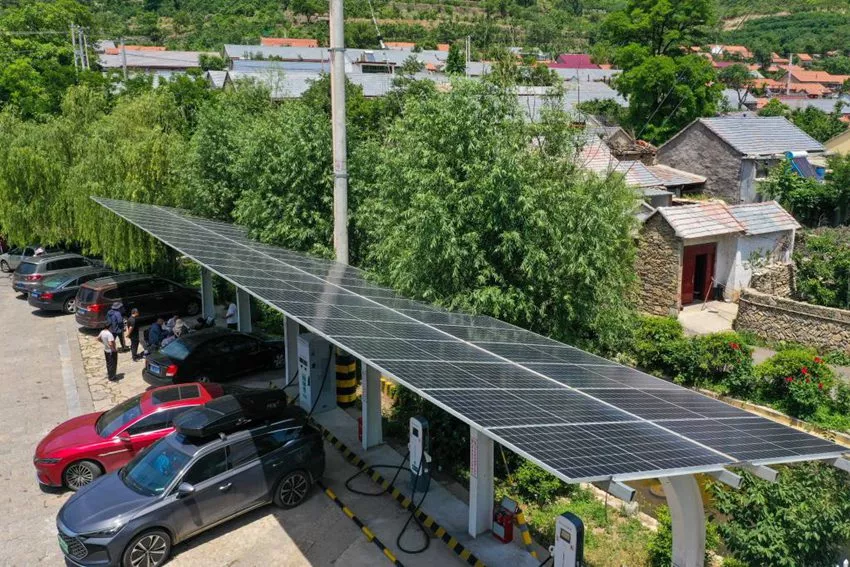
Lianyungang 94MW/188MWh Advanced Energy Storage ProjectBosnia and Herzegovina 1MW 2MWh Integrated Photovoltaic-Storage ProjectShanghai Huijue Headquarters (Qingcun) Solar Carport + Energy Storage + Charging Pile ProjectUSA 8KW/20KWh Container Roof Photovoltaic Energy Storage ProjectSudan Photovoltaic and Energy Storage System ProjectNew Zealand 50KW-300KWh; 50KW-600KWh; 50KW-700KWh Containerized Energy Storage SystemsEnergy Project at the Mauritania Site, Africa
View MoreIndustrial Energy StorageLianyungang 94MW/188MWh Advanced Energy Storage ProjectBosnia and Herzegovina 1MW 2MWh Integrated Photovoltaic-Storage ProjectShanghai Huijue Headquarters (Qingcun) Solar Carport + Energy Storage + Charging Pile ProjectUSA 8KW/20KWh Container Roof Photovoltaic Energy Storage ProjectSudan Photovoltaic and Energy Storage System ProjectResidential Energy Storage - Industrial Layout
- About Us
Established in 2005, HighJoule (HJ Group) is a leading and professional energy storage company in China, dedicated to providing efficient, intelligent, and green energy storage solutions for global customers.
View More
The company owns two well-known sub-brands: Huijue and LZY Energy.
Leveraging global expertise and local innovation, HighJoule (HJ Group) drives impactful energy transitions, enabling sustainable energy management for users worldwide through high-efficiency storage solutions.
HighJoule (HJ Group)'s China headquarters is located in Shanghai, combining world-class technological innovation with China's advanced manufacturing ecosystem. Whether for commercial and industrial applications, residential energy storage systems, or complex microgrid solutions, HighJoule (HJ Group)'s products have been successfully deployed across multiple sectors, helping clients enhance energy utilization efficiency and reduce energy costs. - News Center
Highjoule’s News Center provides the latest company updates, industry insights, and technological innovations, showcasing the enterprise’s cutting-edge technologies and brand influence.
Is a Solar Panel the Same as Solar PV?Is it feasible to install a solar carport over your private parking space?Cameroon Household Solar-Storage System Successfully Deployed, Helping Users Solve Power Supply ChallengesRetrofit Plan for Existing Base StationsEnergy System Solution for New Base StationsConstructing cattle sheds with photovoltaic panelsTransformation in Data Centre Power Supply
View MoreNews CenterIs a Solar Panel the Same as Solar PV?Is it feasible to install a solar carport over your private parking space?Cameroon Household Solar-Storage System Successfully Deployed, Helping Users Solve Power Supply ChallengesRetrofit Plan for Existing Base StationsEnergy System Solution for New Base StationsCompany NewsCameroon Household Solar-Storage System Successfully Deployed, Helping Users Solve Power Supply ChallengesHighjoule(HJ Group) invites you to SOLAR ENERGY EXPOThe Eighth “Huijue Cup” Futsal Tournament Concludes SuccessfullyHighjoule(HJ Group) vigorously promotes energy cooperation at UK Africa Trade Expo 2025, jointly advancing global net-zero carbon goalsHighjoule’s European 4MWh Energy Storage Project Exceeds Profit Expectations, Generating Up to €5,000 Daily Revenue with Two-Year Payback PeriodIndustry UpdatesRetrofit Plan for Existing Base StationsEnergy System Solution for New Base StationsConstructing cattle sheds with photovoltaic panelsTransformation in Data Centre Power SupplyThe world’s first mass-produced semi-solid-state battery heralds a new era in energyEmployee ActivitiesThe Eighth “Huijue Cup” Futsal Tournament Concludes SuccessfullyEarly Autumn Warmth · Celebrating Birthdays Together ‖ September Employee Birthday PartyFAQsIs a Solar Panel the Same as Solar PV?Is it feasible to install a solar carport over your private parking space?Grid-Connected Layout and Safety Assurance for Solar PV InvertersAir humidity soars above 90%—how can photovoltaic inverters maintain stability in such damp conditions?Solar Tiles vs. Solar Panels.Which Takes the Crown? - Contact Us



 Highjoule
 2025-12-04